Applied AI and Infrastructure

AI that makes your people better.
Not replaced.

I design and build local-first AI inside a real city government: the inference, the retrieval, and the data foundations underneath. The goal is simple. The people already doing the work should do it better.

See what I've built CIO, City of Rochester, NH · Marine Corps veteran

Enterprise technology dashboard overview

Proof, not promises

Real systems, built under real constraints. Each one started with a person who needed their job to get easier.

On-premises AI platform

City staff needed AI they could use without sending public data to outside services. I built a local stack: vLLM inference, Open WebUI, pgvector retrieval and Entra ID single sign-on. On top of it sit LACI, a retrieval-augmented civic assistant, and an MCP server that connects AI to Microsoft 365.

vLLM · Open WebUI · pgvector · MCP · n8n · Entra ID

Data foundations for AI

AI is only as good as the data it can trust. Before a data governance engagement began, I mapped the City's finance system on my own: 1,330 tables, 31,650 columns and 35 verified production joins in Tyler Munis. I did the same for the public-safety records system: 81 tables and 2,106 columns.

SQL Server · Tyler Munis · data dictionaries

Tax bill search

The Tax Office was digging through huge PDF bill runs to find one bill. I built an internal app that splits and indexes them, so staff can search by owner, address, parcel or bill number. It's in use for every bill from 2020 forward, replaced a product that cost about $5K a year, and costs nothing to run.

internal web app · PDF indexing · on-premises

The home lab

Where ideas get tested before they reach production. A Proxmox host runs a TimescaleDB data lake fed by live sensors, plus local AI agents. I'm also writing a self-play training loop that teaches a local model to play 2048.

Read: Split-Brain AI → Proxmox · TimescaleDB · MLX · Tailscale

Three rules I build by

01

Augment, don't replace.

AI should take the busywork off the people who know the job, not take the job. Every build starts with the staff who will use it.

02

Governance before AI.

Know what data exists, who owns it and what AI is allowed to touch before you connect a model to anything.

03

Local-first when it matters.

Sensitive public data stays on hardware you own. Cloud where it fits, on-premises where it has to be.

Also available for select advisory work.

Andy Watkins

Andy Watkins

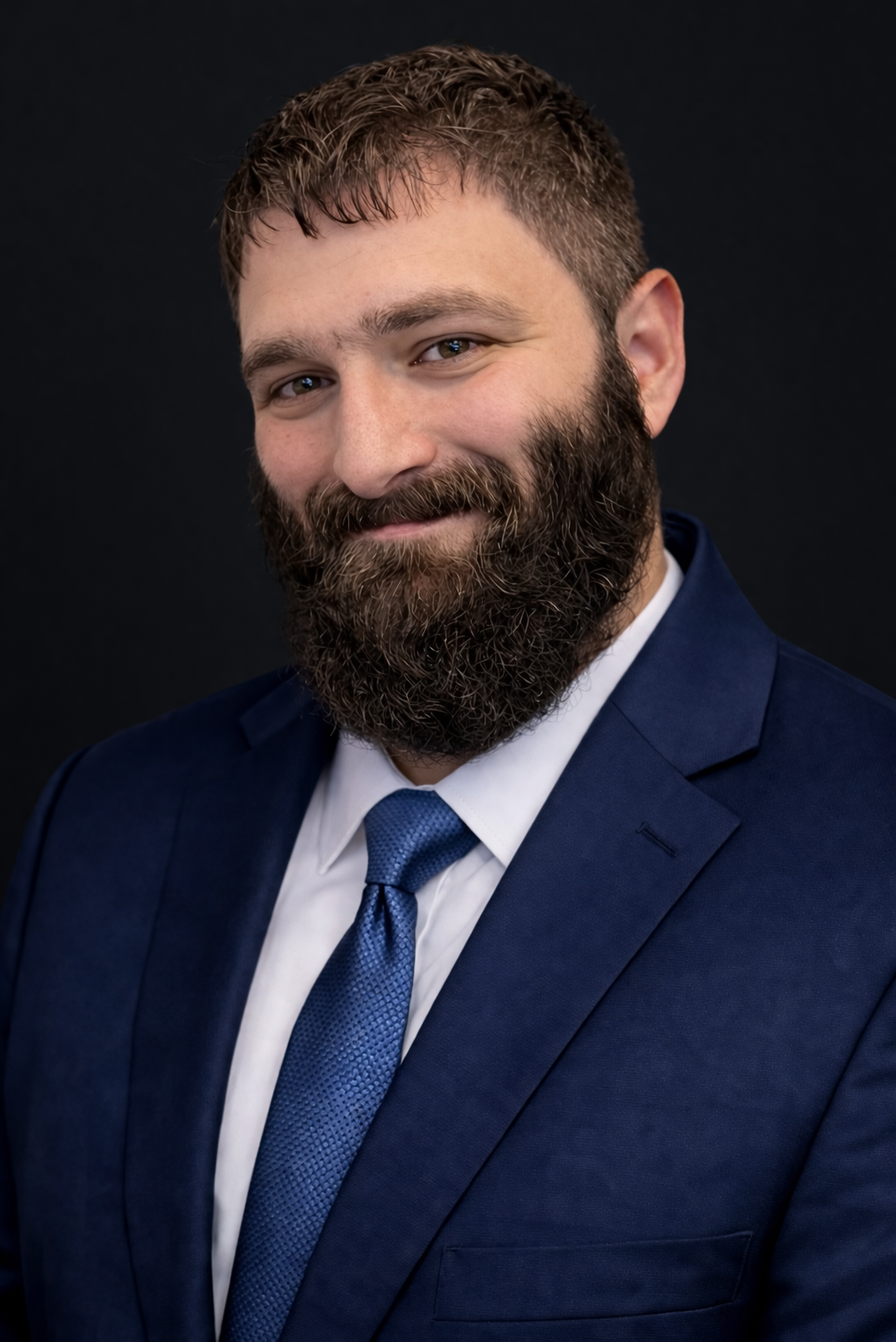
I'm Andy Watkins. I've spent ten years in IT for the City of Rochester, New Hampshire, the last six leading it, first as Deputy CIO and now as CIO. I build AI and infrastructure for a city of about 33,000 people, on a budget that makes every dollar work.

Before that, I was a Marine Corps avionics technician on the AV-8B Harrier, troubleshooting weapons systems. Complex systems don't care about your excuses; they need to work. That still shapes how I build: practical, documented, and in service of the people who use it.

Off the clock, I run a home lab, train small models, and keep a three-acre homestead running.

1,330 Finance system tables mapped for AI
$48K Saved by converting finance reports to SSRS with AI
6 Years leading City IT
USMC Veteran

From the field

Notes from building AI and infrastructure in the real world: what worked, what broke, and why.

Building something where AI has to
actually work?

If your organization needs AI that fits real people and real constraints, I'd like to hear about it.